
Native American Roots
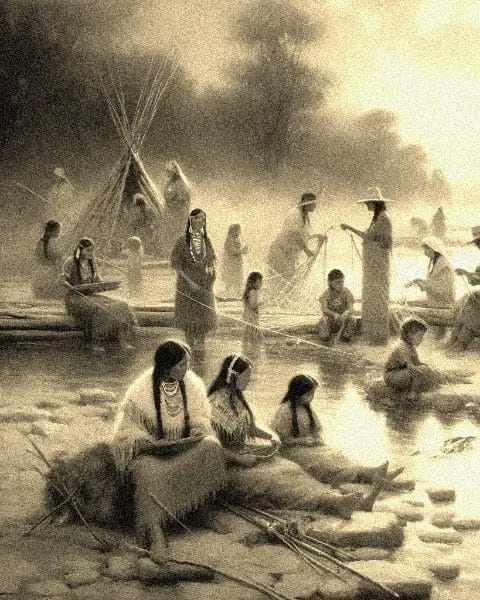
Long before European settlers arrived, Nantucket was home to the Wampanoag people, part of the larger Algonquin Nation. For thousands of years, they thrived on the island, which they called Natocke or “faraway land,” relying on the abundance of the sea and land. They fished for bluefish and cod, hunted deer, and cultivated crops like corn, beans, and squash using sustainable techniques passed down through generations.
The Wampanoag society was tightly woven with spiritual beliefs, often tied to nature. They held seasonal gatherings and lived in semi-permanent villages, moving to follow food sources.
The arrival of European explorers in the early 1600s introduced new trade opportunities but also devastating diseases like smallpox, which decimated the Wampanoag population. By the mid-1600s, the island had been significantly altered, paving the way for European settlement while leaving behind a rich cultural legacy that continues to influence Nantucket today.
Early European Settlement
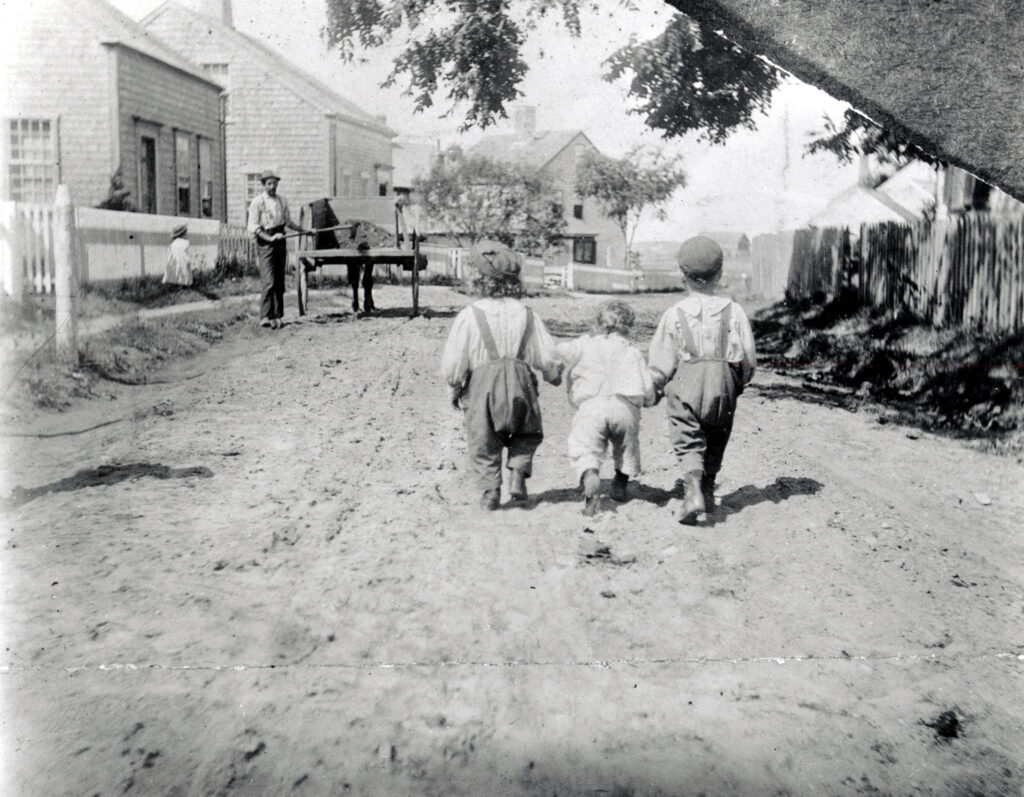
Nantucket’s story as a European settlement began in 1659, when a group of settlers led by Thomas Macy and Tristram Coffin purchased the island from the Wampanoag Sachem Wauwinet. The price? 30 pounds of goods—equivalent to a year’s wages for a laborer. These early settlers sought religious freedom and new opportunities, with many fleeing Puritan persecution in Massachusetts.
The settlers initially focused on farming and raising sheep, but the island’s sandy soil and harsh winters made agriculture challenging. Their location, however, offered a natural advantage: proximity to rich fishing grounds and maritime trade routes. Over time, these settlers began to adapt, using Nantucket’s natural harbor as a foundation for commerce.
The early years of settlement were difficult, requiring collaboration and resourcefulness. The settlers established a tightly knit community, building homes from wood imported from the mainland and creating the first semblances of a local economy that would later pivot toward the sea.
The Whaling Era
Nantucket’s Rise as a Whaling Hub
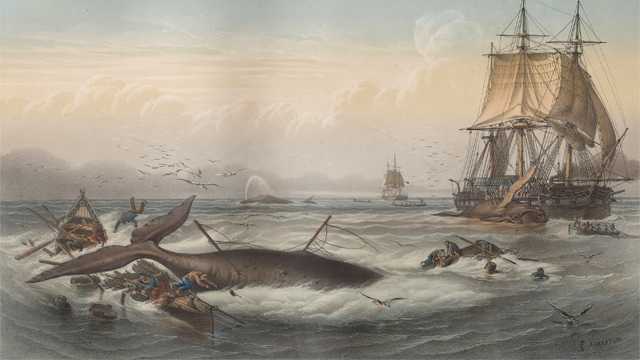
In the late 17th century, whaling began to take hold as Nantucket’s primary industry. Initially, whaling was conducted close to shore using small boats, but as the local whale population dwindled, Nantucketers ventured farther into the Atlantic. By the mid-18th century, Nantucket had become the global center of the whaling industry, its fleet dominating the hunt for sperm whales.
Whale oil, derived from the head of sperm whales, became a vital commodity, fueling lamps and machinery in the growing industrial world. Nantucket’s whalers were known for their expertise and daring, often embarking on voyages that lasted years. These journeys reached as far as the Pacific and Indian Oceans, making Nantucket a household name across the globe.
Iconic Figures and Maritime Adventures
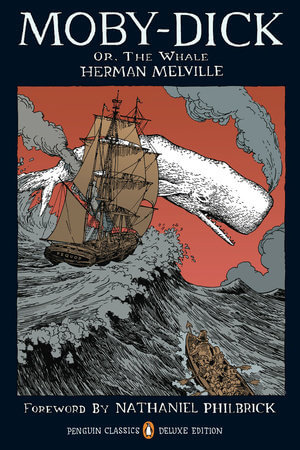
One of Nantucket’s most famous tales is that of the Essex, a whaleship that was rammed and sunk by a sperm whale in 1820, inspiring Herman Melville’s Moby-Dick. Captains like George Pollard and Obed Macy became local legends, epitomizing the bravery and hardships of the era.
The economic success of whaling transformed the island, leading to the construction of grand homes and public buildings that still stand today. Yet, the industry came at great cost, both in human lives and environmental impact.
The Decline of Whaling
The mid-19th century brought the discovery of petroleum in Pennsylvania, which quickly replaced whale oil as a more efficient and affordable fuel. Overfishing also depleted whale populations, and the Civil War disrupted maritime commerce. By the 1860s, Nantucket’s whaling industry had all but collapsed, leaving the island to face an uncertain future.
Reinvention and Revival
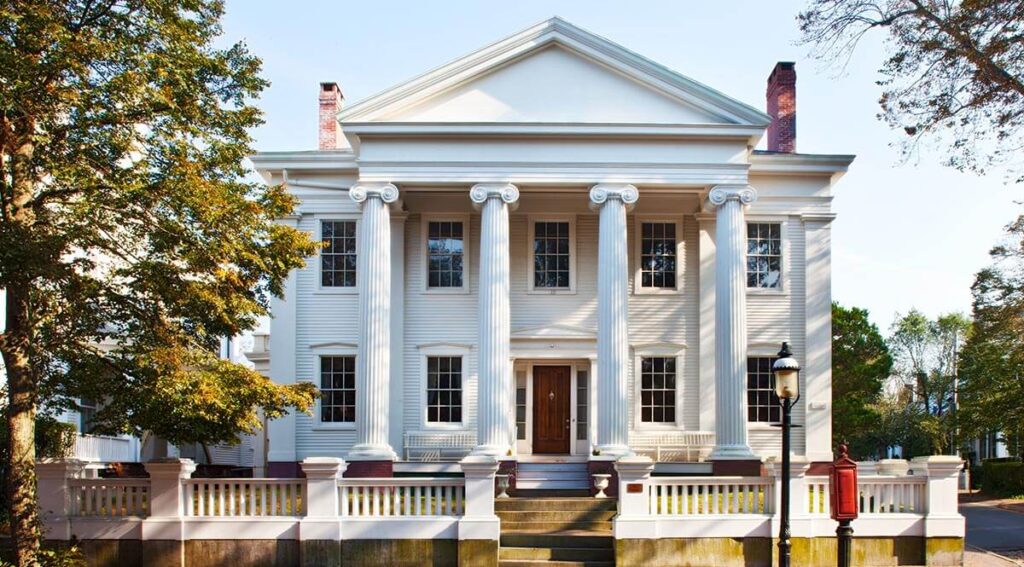
With the decline of whaling, Nantucket faced economic devastation. Many families left the island, and its population dwindled to just a fraction of its former size. However, by the late 19th century, Nantucket began to reinvent itself. Artists, writers, and wealthy vacationers discovered the island’s unique charm, drawn by its tranquil landscapes and preserved architecture.
Nantucket’s early appeal as a retreat stemmed from its isolation and authenticity. The cobblestone streets, weathered shingles, and historic lighthouses painted a picture of a simpler, bygone era. Wealthy families from Boston and New York built summer homes, while local entrepreneurs established hotels and guesthouses to accommodate the growing influx of tourists.
In the 20th century, conservation efforts became a defining feature of Nantucket’s identity. Organizations like the Nantucket Historical Association and the Nantucket Conservation Foundation worked tirelessly to preserve the island’s natural beauty and cultural heritage. Strict zoning laws and architectural guidelines ensured that Nantucket’s historic character remained intact, making it one of the most well-preserved historical destinations in the United States.
Modern-Day Nantucket

Today, Nantucket is a vibrant blend of history and modern luxury. The island has become a top destination for visitors seeking a unique combination of cultural heritage, natural beauty, and world-class amenities.
Preserving the Past
Nantucket’s museums, such as the Whaling Museum and the African Meeting House, offer glimpses into its storied past. Landmarks like Brant Point Light and the Old Mill continue to draw visitors, serving as iconic reminders of the island’s maritime heritage. Annual events, such as the Daffodil Festival and Christmas Stroll, celebrate Nantucket’s traditions while bringing the community together.
A Modern Haven
In addition to its historical attractions, Nantucket boasts a thriving arts and culinary scene. Galleries and boutiques line the streets of downtown, while restaurants serve everything from fresh seafood to globally inspired cuisine. Outdoor enthusiasts can explore the island’s pristine beaches, bike trails, and wildlife reserves, ensuring there’s something for everyone.
Conclusion
Nantucket’s history is a testament to its resilience and ability to adapt to change. From the Wampanoag people to the whalers who ventured across oceans, to today’s preservationists and entrepreneurs, each chapter has contributed to the island’s enduring appeal.
As visitors explore its shores, they step into a living narrative, where the past and present come together in perfect harmony. Whether you’re strolling through the historic district, relaxing on sandy beaches, or savoring local delicacies, Nantucket invites you to become part of its ongoing story—a story that continues to captivate and inspire.
Explore Nantucket’s rich history, from its Native American roots to the whaling era and its modern-day charm. Discover how this island evolved into a top destination.